

29/01/2021
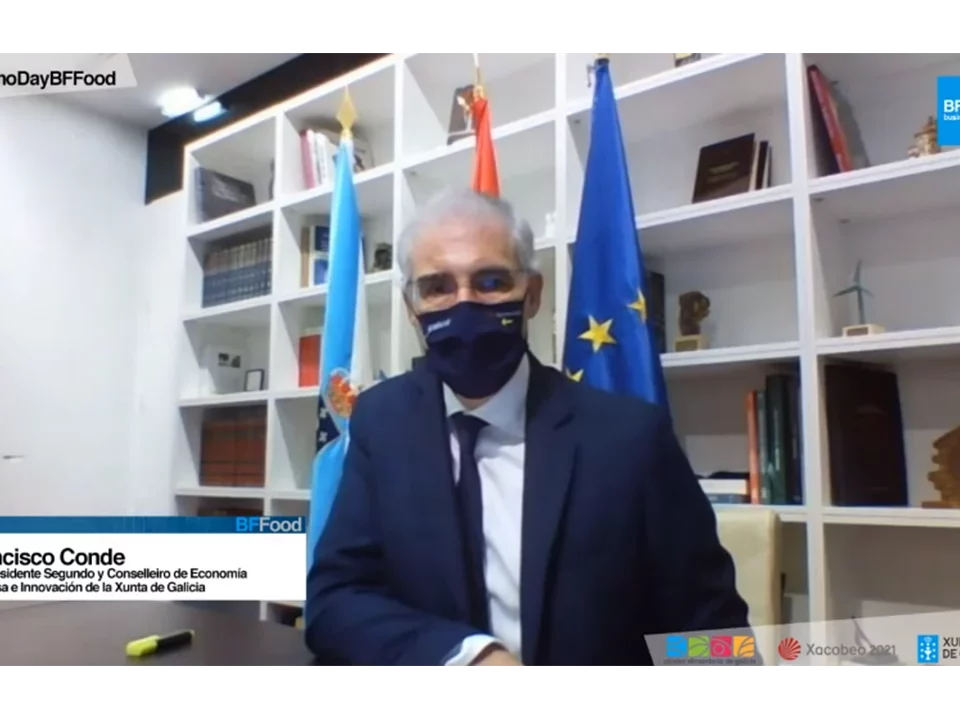
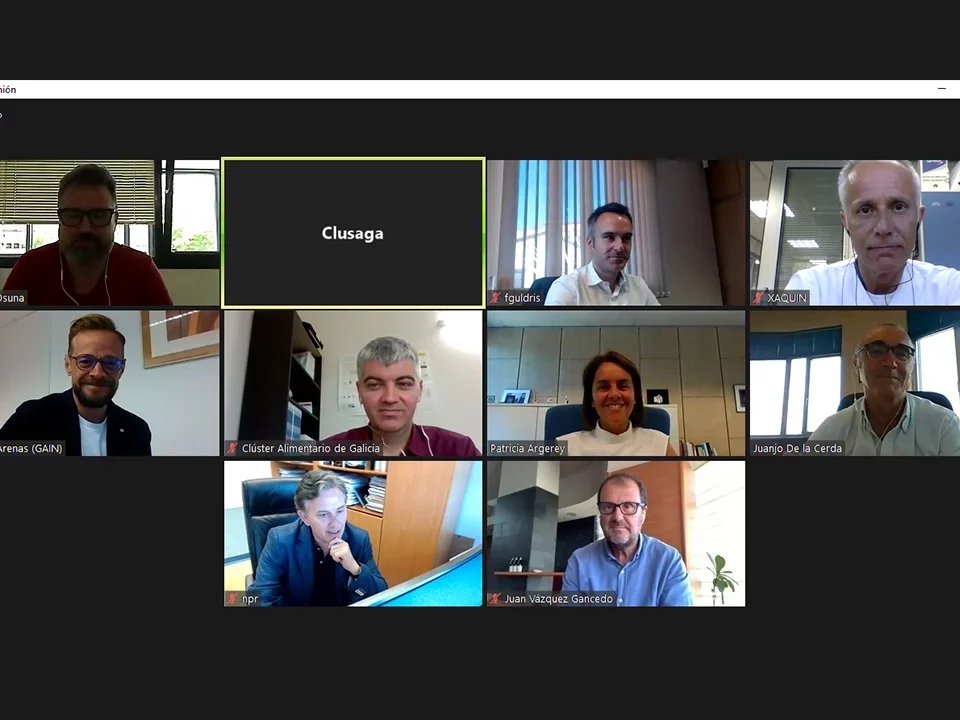
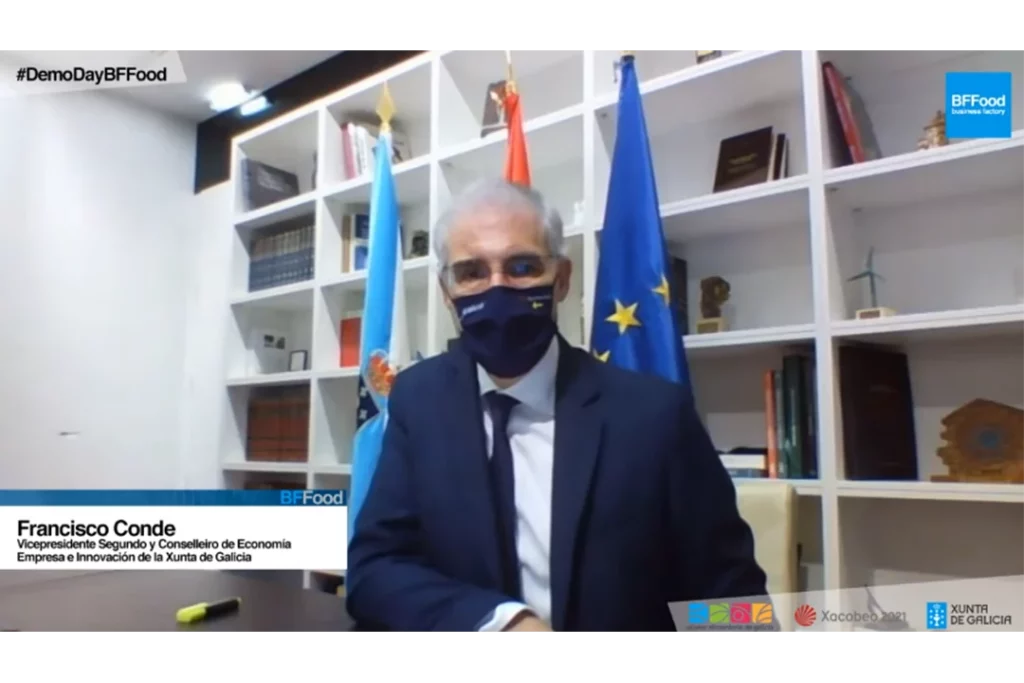
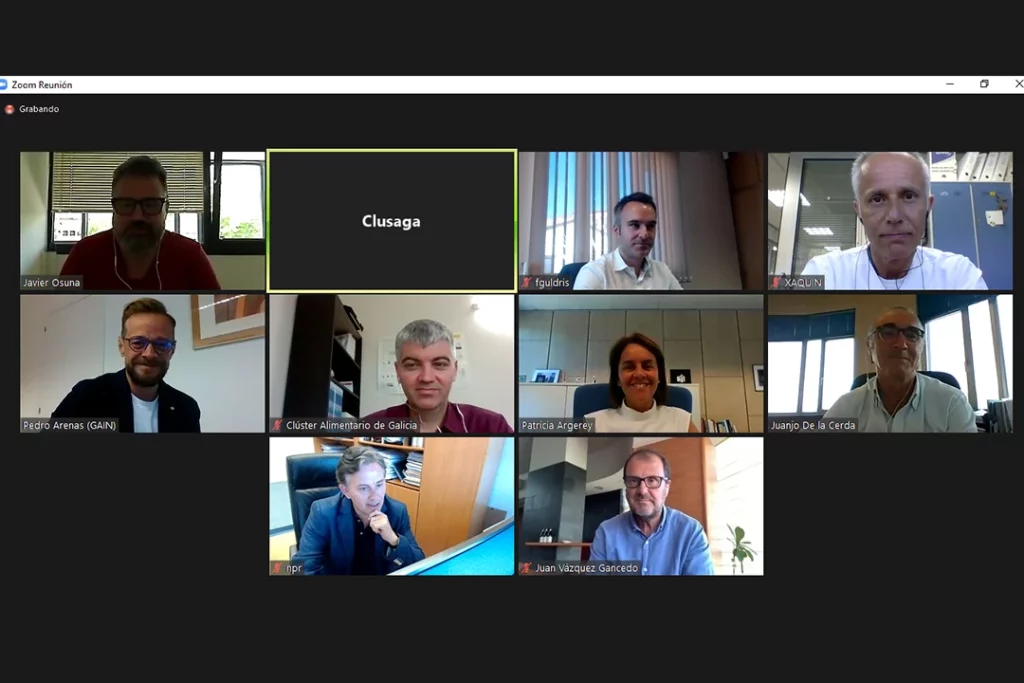
During which, the 14 projects promoted in the acceleration and consolidation programs of BFFood's second edition presented their progress and development.
12/05/2020
KIWANDA LABS is one of the projects selected for the second edition of the BFFood acceleration programme. They offer a solution to the smart labelling challenge set by the leading companies in the food sector and are being mentored by Kiwi Atlántico.
In this interview, Francisco Robredo, co-founder and Head of Sales at KIWANDA LABS, explains how this project came about and what their experience in the BFFood acceleration programme has been like.
How did the idea for your project come about?
After working for more than ten years in multinationals and specialising in RFID technology, we identified a number of common shortcomings and saw a great opportunity. We decided to leave our jobs and create a product that would add value to the food sector.
What is the value you bring to the sector?
Starting from the fact that half of fresh products end up in the bin, at KIWANDA LABS we developed a technology that enables companies in the food sector to solve their inventory and traceability issues and reduce their losses.
In addition, it helps them sell more, as we manage to ship products at their optimal ripeness ready to eat, resulting in a product with better taste quality and higher turnover at the point of sale.
You are addressing the smart labelling challenge set by BFFood’s leading companies—what technologies do you use to do so?
We use RFID, or radio-frequency technology, which basically consists of a chip the size of a grain of sand and an antenna made from an ultra-thin aluminium foil. By combining these two elements, information can be stored and read on this chip remotely, powering it only with the energy of the radio waves themselves. This allows you to read the contents of these labels from up to around 20 metres away, without even having them in your direct line of sight, and at a rate of around 200 labels per second.
In short, this technology makes it possible to introduce a high degree of automation into critical logistics processes, avoiding many errors, and it enables traceability and data collection to be automated at many points along the supply chain.
José Carlos Vila, CEO of Kiwi Atlántico, is mentoring you in the BFFood acceleration programme—what has the experience been like?
We could not be more grateful to have the support of Kiwi Atlántico and its CEO, as their philosophy fits perfectly with ours. From the time we have been working together, we would highlight their human and professional quality, which has enabled us to reach a very advanced level of knowledge of the fruit and vegetable sector.
Have you created any kind of synergy with the rest of the BFFood community?
The BFFood ecosystem is very rich and complementary. We are talking with several companies about the possibility of collaborating and carrying out joint projects where we all contribute our know-how. I hope they bear fruit in the medium term.
Overall, what has BFFood meant for you and your project?
An excellent springboard that allows us to meet milestones in our business plan thanks to the great professionals, mentors and partner organisations that are part of BFFood.
How do you expect your project to be when the BFFood acceleration programme ends?
To have a product 100% focused on the fruit and vegetable sector, capable of solving inventory issues and, above all, improving product traceability and radically reducing losses. Also enabling products to be shipped at their optimal ripeness to achieve better taste quality and higher in-store turnover.
On the other hand, we have set ourselves the goal of measuring the real advantages our solution provides. What we expect is to detect a 10% increase in sales among customers who ripen fruit with our system, thanks to higher in-store turnover, and to reduce losses by 30% by establishing an alert system that allows us to actively monitor the product.
Finally, would you recommend BFFood to other entrepreneurs?
Of course! It is a great opportunity for all entrepreneurs, as it provides all the necessary tools for them to validate their business models and get the most out of their projects.